


Dear colleagues,
After celebrating 40 years of pioneering progress at CIRSE 2025 together, the Scientific Programme Committee feels more energized than ever to put together another outstanding programme for CIRSE 2026, once again offering the latest in all things IR to our great community. With programme planning already in full swing, we are happy to provide you with a first look at what we have in store.
Our motto for CIRSE 2026 will be “Breaking barriers, expanding care”, as it is one of CIRSE’s core missions to expand provision of IR care and to unlock its potential both in Europe and around the globe. Access to high-quality, modern healthcare means access to interventional radiology, and more patients should be able to benefit from the many advantages it provides.
All things arterial
In the arterial track of the congress, we will look at a vast variety of topics, ranging from technical developments to the latest data, and hot button issues. During a hot topic symposium, we will scrutinize landmark trials on drug-eluting technologies in lower limb arterial interventions. As part of a new vascular MDT session featuring IRs and vascular surgeons, we will also have a look at below the knee interventions. In other sessions, we will take a deep dive into bioresorbable scaffolds for lower limb PAD, get an update on lower limb arterial imaging, and discuss vessel preparation for above and below knee arterial disease, among many other things.
Multidisciplinary aortic care
The Interdisciplinary Endovascular Aortic Symposium (IDEAS) will once again offer a truly multidisciplinary look at all options of aortic treatment through a variety of expert round tables, case-based discussions, and hands-on planning courses. Find out more about IDEAS from the symposium’s SPC Chairpersons Hicham Kobeiter and Fabio Verzini here.
Venous interventions
Venous treatment continues to increase in importance in our daily practice – we hope that we have reflected this in the programme. Pulmonary embolism will be discussed in a session focusing on treatment methodology, while the importance of building a successful PE response team will be highlighted. A deep dive into each of the latest PE trials should equip participants with a superior level of knowledge to discuss this important and rapidly evolving area. Also very much recommended for any IR specializing in venous interventions or wishing to do so in the future: a session on post-thrombotic venous occlusions which will have a look at various new treatment technologies and approaches.
Interventional oncology
A dynamic interventional oncology track will showcase the field’s rapid evolution, with sessions providing multifaceted perspectives on the current state and future possibilities of minimally invasive cancer care. A session on advanced imaging navigation will demonstrate cutting-edge technologies that enhance precision, safety, and outcomes, and “New frontiers in renal cancer” will present emerging therapies and evolving research in this exciting space. Together with many more lectures and hands-on workshops, these sessions will offer a compelling glimpse into the next era of interventional oncology.
Embolization
A key highlight of the embolization programme will be a hot topic symposium on genicular artery embolization, where experts will discuss the use of permanent as well as non-permanent embolics, how to manage non-responders, dealing with post-TKA pain, and advanced imaging. Other sessions will include an expert round table on arteriovenous malformations, a technical update on PAE, and many more, offering a comprehensive overview of how embolization continues to transform treatment pathways across a range of clinical indications.
Non-vascular treatments
The 2026 non-vascular track will illustrate the full spectrum of treatment options in this space with a focus on biliary disease which will be discussed in a foundation course as well as a focus session honing in on more complex biliary procedures such as advanced biliary reconstruction and percutaneous transhepatic cholangioscopy. Other topics include the ever-important pain management, thyroid tumours – both benign and malignant, urogenital procedures, and more, offering something for everyone from beginner to advanced practitioner.
Neuro interventions
In the neuro space, we will have a thorough look at embolization of the middle meningeal artery for the treatment of subdural hematoma, one of the hottest topics in the field in recent years. In terms of stroke treatment, we will go beyond the basics in a dedicated focus session and increase our knowledge on complications management in a case-based discussion. In “CAS – the next generation”, we will explore the concept and data of new stents on the market, as well as anticoagulation regimes in elective and acute settings featuring audience voting and surely a lively debate.
Sharing the latest data
As always, one of the scientific highlights of the congress will be the presentations of the latest trials and studies by colleagues from around the world at the FIRST@CIRSE sessions. We very much encourage all researchers to submit their abstract and share their findings at CIRSE 2026! More trials and studies will be presented at the scientific paper sessions as well as the Meet the PI sessions providing a glimpse at upcoming research.
IR management
To round out the programme, the IR management track congress will offer a variety of sessions on optimizing workflow, safety, and collaboration in daily practice. Highlights will include “Pioneering IR in extreme spaces”, an exploration of how innovative techniques can be used to push treatment options. The session “Day-care interventional radiology unit: What’s changing?” will investigate evolving patient pathways, efficiency models, and strategies for expanding same-day procedures. Another session will have a look at the prerequisites for offering paediatric IR, from how to set up the IR suite for children to adapting techniques and devices to the youngest. In “IR in the trauma team: logistics and new perspectives,” speakers will examine how IR integrates into acute care systems to improve outcomes through rapid, coordinated intervention. Finally, “Standardizing complications’ reporting” will address the crucial need for consistent, transparent frameworks, looking at both the SIR and CIRSE reporting systems.
Radiation protection
The always popular Radiation Protection Pavilion will again be featured, offering a variety of lectures on how to best protect your team and your patient from unnecessary radiation. In addition to these short talks, a dedicated radiation safety exhibition will invite congress-goers to explore the latest radiation safety products.
Connecting with our corporate partners
Complementing the invited lectures and numerous hands-on trainings, the satellite symposia at CIRSE 2026 will give congress-goers the chance to update their knowledge on the most recent developments in the tools and materials sector. Some of our most important corporate partners will also be offering learning centres, providing attendees with the possibility to gain practical hands-on experience with the tools they would like to explore for their practice.
The exhibition will also feature another edition of SPHAIRE, our dedicated space for AI and other emerging technologies which at a rapid pace are helping us improve patient outcomes. Beyond the exhibition area, SPHAIRE will host a curated series of talks and expert-led discussions — bringing together clinicians, engineers, and industry to explore how AI and emerging technologies can transform interventional radiology and improve patient outcomes.
We look forward to receiving your abstracts for CIRSE 2026 and to welcoming you to Copenhagen for a fantastic five days of knowledge exchange and fun interaction!
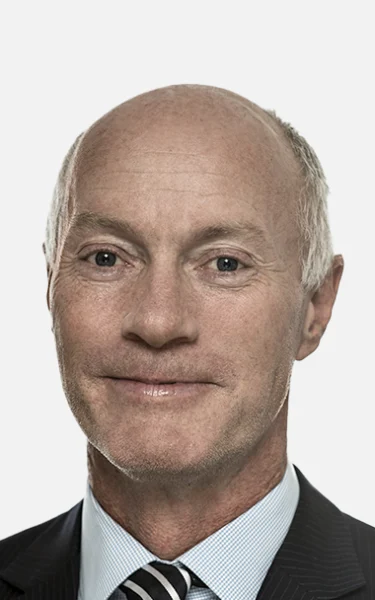
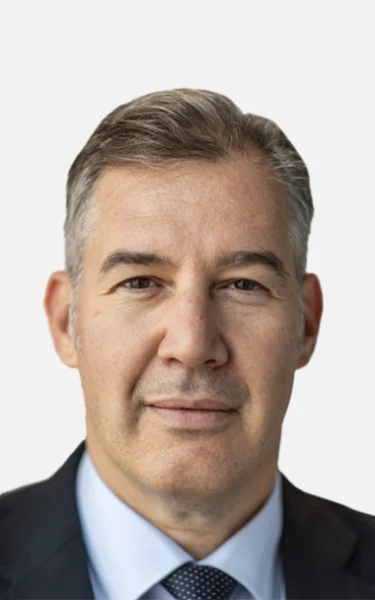
Gerard O’Sullivan Miltiadis Krokidis
SPC Chairperson SPC Deputy Chairperson