CIRSE Annual Congress
GENERAL - CIRSE 2026

September 5-9 | Copenhagen, Denmark

September 5-9 | Copenhagen, Denmark

September 5-9 | Copenhagen, Denmark

September 5-9 | Copenhagen, Denmark

September 5-9 | Copenhagen, Denmark

ProgrammeSneak peeksSlow-flow vascular anomalies

Slow-flow vascular anomalies: What every interventional radiologist needs to know in 2026

Three things you will learn at my lecture

  1. Accurate ISSVA 2018-based classification – distinguishing capillary malformations (CM), venous malformations (VM), lymphatic malformations (LM), and their combined forms – is the indispensable foundation for all management decisions.
  2. Sclerotherapy remains the backbone of IR management, but bleomycin electrosclerotherapy (BEST) combining electroporation with intra-lesional bleomycin is now the emerging standard for treatment-resistant lesions.
  3. Sirolimus and alpelisib represent a paradigm shift. IRs must understand when to initiate, combine, or defer to medical therapy, and must actively participate in and help lead multidisciplinary vascular anomaly teams.

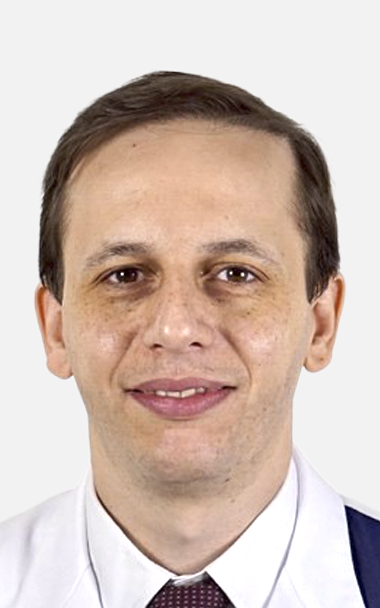
Dr. Walid Mubarak
Speaker bio


Vascular anomalies are more common than most clinicians appreciate — affecting approximately 1.5% of the population — yet they remain among the most misunderstood and mismanaged conditions in clinical practice. At CIRSE 2026, this session will offer a comprehensive update on slow-flow vascular anomalies (SFVAs), with a particular focus on the expanding interventional toolkit and the rapidly evolving landscape of targeted molecular therapies that are transforming how we approach these complex lesions.

Classification: the foundation of everything

The 2018 International Society for the Study of Vascular Anomalies (ISSVA) classification provides the essential framework for all clinical decision-making. [1] Slow-flow malformations — capillary malformations (CM), venous malformations (VM), lymphatic malformations (LM), and their combined forms — are fundamentally distinct from vascular tumours and from fast-flow lesions. Yet in routine clinical practice, these entities continue to be confused, mislabelled, and consequently mistreated.

Venous malformations are the most common slow-flow malformation, accounting for 30–40% of all vascular malformations, with a predilection for the head and neck region (>60%). [2] They are characterized by dilated, dysplastic venous channels with deficient smooth muscle, driven largely by somatic TEK/TIE2 gain-of-function mutations or PIK3CA alterations. [3] Lymphatic malformations, by contrast, are classified as macrocystic (cysts >2 cm), microcystic (<2 cm), or mixed — a distinction that profoundly influences both treatment selection and expected outcomes. [4] Capillary malformations, including port-wine stains (affecting 0.3% of neonates), are driven predominantly by somatic GNAQ/GNA11 mutations and constitute the principal indication for laser therapy. [5]

The interventional arsenal: from sclerotherapy to BEST

For venous and lymphatic malformations, image-guided sclerotherapy remains the cornerstone of IR management. The choice of agent — absolute ethanol, polidocanol foam, sodium tetradecyl sulphate (STS), bleomycin, doxycycline, or OK-432 — should be individualised based on lesion subtype, location, size, and drainage pattern (Puig classification for VM).[6] Systematic review and meta-analysis data confirm response rates of 70–95% for macrocystic LM and 70–90% for VM, with outcomes strongly influenced by agent selection and procedural technique. [7]

Perhaps the most exciting recent development in our field is bleomycin electrosclerotherapy (BEST), which combines intra-lesional bleomycin injection with electroporation — brief, high-voltage electric pulses that transiently permeabilise cell membranes, increasing bleomycin uptake by up to 10,000-fold compared to injection alone. [8] The InspECT study group and a 2024 European multicentre cohort by Schmidt et al. demonstrated volume reductions of 54–100% across all slow-flow subtypes, with a major complication rate of 8.9% (predominantly CIRSE grade I–II) and a markedly improved safety profile compared to absolute ethanol. [9,10] Skin hyperpigmentation, which occurs in approximately 69% of cases, is generally transient and resolves within six months. BEST is now an important option for treatment-resistant lesions and for mixed anomalies where conventional sclerotherapy has not achieved adequate control.

The medical therapy revolution

Perhaps the most paradigm-shifting development in recent years has been the recognition that slow-flow vascular anomalies are fundamentally genetic diseases of disordered cell signalling — and therefore amenable to targeted molecular therapy. Somatic PIK3CA mutations activate the PI3K/AKT/mTOR axis and are now identified in 40–85% of LMs, VMs, and combined anomalies including Klippel-Trénaunay syndrome (KTS), CLOVES, and FAVA. [11]

Sirolimus (rapamycin), an mTOR inhibitor, received FDA approval for complex lymphatic malformations in 2024, supported by systematic review evidence demonstrating symptom improvement in 89–95% of patients and clinically meaningful volume reduction, particularly in microcystic LM which responds poorly to sclerotherapy alone. [12]  Alpelisib, a selective PI3Kα inhibitor, has demonstrated even more dramatic results in PIK3CA-mutant overgrowth syndromes — with response rates approaching 100% in some CLOVES and MCAP cohorts — and is increasingly used for refractory LM and VM with PIK3CA hotspot mutations. [13]

Crucially, interventional radiologists are uniquely positioned at the intersection of these two treatment paradigms. The optimal approach for complex, extensive, or refractory SFVAs now combines image-guided sclerotherapy (or BEST) with concurrent or sequential medical therapy, guided by somatic mutation profiling obtained through image-guided biopsy. This integration requires active participation in — and leadership of — multidisciplinary vascular anomaly teams.

Looking ahead

At CIRSE 2026, we will explore all of these themes and discuss where the evidence is strongest, where it is emerging, and where our field has the most work yet to do. Attendees will leave with a practical, classification-grounded framework for managing slow-flow vascular anomalies in 2026 — and with a clear sense of the exciting, rapidly evolving directions ahead. I warmly encourage all attendees to arrive with questions.

Walid Mubarak, MBBCH, ABDR, DipHCM

Sidra Medicine, Doha/QA

Dr. Walid completed his pediatric interventional radiology training at the Hospital for Sick Children (Sick Kids), University of Toronto, Canada. He is one of approximately one hundred dedicated fellowship-trained pediatric interventional radiologists worldwide. He joined Sidra Medicine in 2018 where he is currently a senior attending physician at and the Pediatric Interventional Radiology Fellowship Program Director. Dr. Mubarak organizes several training programs for interventional skills internationally. To date, Sidra Medicine is the country’s sole provider of pediatric interventional radiology services.

Dr. Walid currently chairs Sidra Medicine’s Vascular Access Committee, serves as the modality lead for interventional radiology, and leads the continuing medical education (CME) working group.

Having completed a diploma in healthcare management from Toronto, Dr. Walid is interested in quality improvement and risk mitigation in the angio suite, as well as optimizing patient flow and enhancing cost-effectiveness. Dr. Walid has led several local, regional, and world-firsts in interventional radiology, including high-risk deliveries in the angiography suite, a one-stop-shop pediatric urolithiasis service in interventional radiology, biodegradable airway stenting in children, a cosmetic (no neck incision) portacath placement service, and one of the world’s highest volume interventional g-tube services. Dr. Walid has also participated in the activation, renovation, and expansion of the angiography suites and interventional services at Sidra Medicine.

Dr. Walid’s areas of expertise encompass vascular interventions, vascular anomalies, airway management, oncology, and fibroid interventions. Additionally, he is dedicated to medical education, faculty development, and professional growth. As a co-founder of several specialty-driven education workshops both nationally and internationally, Dr. Walid has made significant contributions to the field of interventional radiology. Recently, he has been appointed as a regional IR board examiner, further solidifying his position as a leader in the industry.

On a daily basis, Dr. Walid is actively involved in performing minimally invasive procedures, providing patient care, teaching, and participating in the multidisciplinary management of complex patients. Dr. Walid’s academic accomplishments include the publication of several articles and a book chapter. He is currently engaged in ongoing research projects that are poised for publication. Furthermore, he serves as a reviewer for two esteemed interventional radiology journals and societies.

References

  1. Goldenberg DC et al. Updated Classification of Vascular Anomalies — ISSVA. J Vasc Anomalies. 2025;6(2). doi:10.1097/JOVA.0000000000000113
  2. Cao J et al. Systematic review and network meta-analysis: sclerotherapy for venous malformation. J Vasc Surg Venous Lymphat Disord. 2022;11(1):210-218. doi:10.1016/j.jvsv.2022.08.004
  3. Zheng YY et al. PI3K/AKT/mTOR axis in vascular malformations. Orphanet J Rare Dis. 2025;20:624. doi:10.1186/s13023-025-04115-2
  4. Jiang Y et al. Classification-specific LM management in head and neck in children. Oral Surg. 2022;135(4):e74-e82. doi:10.1016/j.oooo.2022.09.001
  5. Farsi S et al. Efficacy and safety of lasers for head and neck capillary malformations: meta-analysis. Otolaryngol Head Neck Surg. 2025;173(3):566-574. doi:10.1002/ohn.1309
  6. Sun B et al. Advances in sclerosants for low-flow vascular malformations. Ann Vasc Surg. 2025;122:511-523. doi:10.1016/j.avsg.2025.07.049
  7. Maria LD et al. Sclerotherapy for LM of head and neck: systematic review and meta-analysis. J Vasc Surg Venous Lymphat Disord. 2019;8(1):154-164. doi:10.1016/j.jvsv.2019.09.007
  8. Lisec B et al. Bleomycin ElectroScleroTherapy (BEST): mechanistic parallels to ECT. Radiol Oncol. 2026;60(1):1-14. doi:10.2478/raon-2026-0017
  9. Schmidt VF et al. Outcome of bleomycin electrosclerotherapy of slow-flow malformations in adults and children. Eur Radiol. 2024;34(10):6425-6434. doi:10.1007/s00330-024-10723-6
  10. Muir T et al. Bleomycin electrosclerotherapy (BEST) for vascular malformations — InspECT study group report. Radiol Oncol. 2023;57(2):141-149. doi:10.2478/raon-2023-0029
  11. Sasaki Y et al. PIK3CA mutations in Klippel-Trenaunay syndrome: NGS study. Orphanet J Rare Dis. 2023;18:270. doi:10.1186/s13023-023-02893-1
  12. Teng JM et al. Sirolimus for microcystic LM: systematic review. Lymphat Res Biol. 2022;21(2):101-110. doi:10.1089/lrb.2021.0103
  13. Morin G et al. Vascular malformations: from genetics to therapeutics. EMBO Mol Med. 2025;18(1):1-21. doi:10.1038/s44321-025-00344-x